Navigating Central Bank Policy Shifts in Modern Currency Markets

Intervention Dynamics and Central Bank Patience in Tokyo​


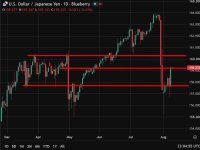
The foreign exchange landscape is currently experiencing a fascinating tug-of-war between aggressive monetary policy expectations and state intervention strategies, particularly surrounding the Japanese Yen. Following a sharp multi-percent surge that caught leveraged market participants off guard, traders have closely monitored whether Japanese authorities intend to reverse the currency's long-term depreciation trajectory. Recent economic indicators, including a softer-than-expected United States employment report, offered an ideal opening for a sustained intervention effort. However, authorities appeared to favor a measured approach aimed at tempering the pace of depreciation rather than aggressively engineering a prolonged recovery, effectively buying time ahead of widely anticipated Bank of Japan tightening measures. With market participants continuing to test official resolve, technical thresholds such as resistance near the psychological 160.00 level against baseline supports continue to frame near-term positioning strategies.
Yield Spreads and the Appeal of G10 Carry Trades[/HEAD

temp_upload_1787189429.jpg

Beyond Asia, interest rate differentials between major global central banks are profoundly reshaping cross-border capital flows and driving high-conviction institutional trades. The Reserve Bank of Australia has maintained a hawkish stance through consecutive rate increases to combat persistent domestic inflation, pushing its benchmark cash rate significantly higher than global peers. In contrast, the European Central Bank has moved at a much more gradual pace, leaving a historically wide interest rate spread in the Australian dollar's favor. Major financial institutions point out that this yield gap represents one of the most attractive forward-implied returns within the G10 currency universe. Combined with multi-month lows in implied market volatility, this environment creates a fertile backdrop for traditional carry trades, as investors comfortably fund higher-yielding assets using lower-yielding European counterparts.

Repricing Risk and Monetary Policy Divergence​


The sustainability of these prominent macroeconomic trends heavily depends on how future central bank actions align with current market pricing. Analysts argue that financial markets may have overly inflated expectations regarding further policy tightening by European authorities, leaving the single currency uniquely vulnerable to any dovish shift in sentiment. If incoming inflation and economic data prompt the European Central Bank to adopt a more neutral or accommodative stance, the resulting policy divergence would introduce a powerful secondary catalyst downward for the euro. At the same time, sustained low volatility remains a critical pillar for carry strategies; any sudden macroeconomic shock or unexpected volatility spike could trigger a rapid unwinding of leveraged positions. Consequently, currency strategists continue to emphasize selective short positioning against overextended legs, targeting clear technical objectives while carefully tracking evolving central bank rhetoric across major jurisdictions.
ING]​
 

Similar threads

Back
Top