The Battle Lines in USD/JPY and Central Bank Ambiguity
The foreign exchange market is currently witnessing a high-stakes standoff surrounding the USD/JPY currency pair, reminiscent of a strategic conflict without a clearly defined endgame. Market participants are grappling with the reality that while both Japanese authorities and United States officials desire a weaker dollar against the yen, the exact target threshold and the limits of official intervention remain shrouded in strategic ambiguity. Tactical maneuvers, including direct intervention efforts and shifting capital flows, have sparked intense volatility near critical psychological and technical barriers. Rather than communicating a firm, transparent roadmap, policymakers appear to be relying on psychological pressure, leaving institutional traders and hedge funds to continuously test official resolve. This lack of clear guidance complicates risk management for global portfolios, as market participants struggle to predict whether central banks will deploy aggressive measures or stick to subtle policy adjustments.
Federal Reserve Stance and Yield Dynamics
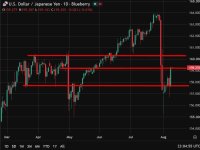
Beyond the immediate intervention drama in Tokyo, shifting expectations regarding United States monetary policy continue to exert a profound gravitational pull on global capital allocation. Speculation surrounding potential shifts in Federal Reserve rate expectations creates a volatile backdrop for the greenback, leaving it technically vulnerable during weaker macroeconomic data releases. At the same time, the broader macroeconomic landscape presents intriguing long-term alternatives for fixed-income investors. Sustained high yields on premium-grade bonds and notes offer compelling defensive characteristics, drawing capital away from high-flying equities as demographic shifts favor predictable, compounding returns. Investors are increasingly weighing the opportunity cost of chasing equity market gains against the structural appeal of locking in multi-year fixed yields, creating a dynamic tug-of-war across asset classes.
Strategic Restraint and the Bank of Japan Outlook
A closer examination of recent official actions reveals a measured strategy by Japanese authorities focused primarily on smoothing volatility rather than engineering a permanent reversal of the multi-year yen trend. Analysts note that moments of acute greenback weakness, such as those triggered by soft employment reports, presented prime opportunities for aggressive, sustained intervention that were ultimately left unamplified. This measured restraint suggests that Tokyo is deliberately buying time while awaiting a broader policy pivot from the Bank of Japan, widely anticipated during upcoming policy meetings. With domestic fiscal constraints limiting the scope of prolonged unilateral defense, authorities are leaning on thinner holiday liquidity windows to maximize the psychological impact of smaller, tactical interventions while keeping market participants on edge.


 Thread 'Daily BTC & ETH Trading Signals: High-Accuracy Analysis for Disciplined Traders'


