Navigating US Dollar Weakness And Key Technical Levels In Forex Trading
The foreign exchange market is currently exhibiting a fascinating divergence in sentiment as traders weigh softer US dollar momentum against shifting macroeconomic catalysts and geopolitical developments. While major currency pairs test crucial moving averages and support zones, institutional positioning highlights a growing appetite for tactical plays on structural shifts. From anticipated breakdowns in the Dollar Index to political risk compression boosting sterling and tariff-related relief supporting the Canadian dollar, market participants are closely monitoring strict technical levels to dictate their next moves. Understanding these underlying trends requires a careful examination of technical resistance barriers, yield spreads, and broader cross-asset signals heading into the final stretch of the trading week.
Dollar Index Pressure And Technical Breakdown Scenarios
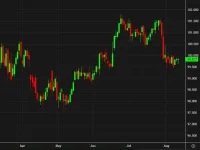
Market attention remains heavily focused on the Dollar Index, where critical technical support levels are being tested amid a softer European morning trade. Institutional strategies suggest waiting for a decisive downside break below the key 99.40 support level—which has held firm over the past two months—before initiating short positions. A confirmed breach of this threshold could pave the way toward a primary target of 98.00, with risk management stops placed near 99.90. Despite a mixed macroeconomic backdrop and lack of immediate fundamental catalysts following recent inflation data, technical momentum favors patience rather than front-running the market
Cross-Currency Dynamics And High-Beta Strength
Beyond the greenback, major currencies are carving out mixed weekly trajectories as high-beta alternatives attempt to close out gains. The euro continues to hover near the 100-day moving average around 1.1553, with buyers still searching for a definitive technical trigger to spark a wider breakout. Meanwhile, the British pound is benefiting from a compression in the UK governability risk premium, maintaining strength within a long-basket structure against regional peers. In the Antipodes, AUD/NZD has seen tactical upward pressure toward the 1.2100-1.2200 range, though broader momentum indicators suggest that a sustained shift will ultimately depend on widening yield spreads between Australia and New Zealand.
Commodity Currencies And Geopolitical Risk Factors
Commodity-linked currencies experienced heightened volatility following shifting trade negotiations and tariff headlines involving North America. The Canadian dollar staged a sharp recovery after temporary trade reprieves alleviated fears of steep import tariffs, subsequently extending gains as liquidity-support operations impacted longer-dated securities. On the charts, USD/CAD breached major support near the 1.3920 mark, opening a path toward 1.3750. Traders must remain vigilant regarding broader geopolitical risks, particularly potential escalations in the Middle East, which could quickly alter financial conditions and reinvigorate safe-haven demand for the US dollar.
move.


