Wall Street has a clear takeaway from this week'sFederal Reservedecision: A hike is likely on the horizon as inflation remains a top priority.
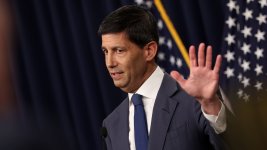
The Fed opted tohold interest rates steadyat the second meeting led by ChairmanKevin Warsh. But between his commentary about inflation and the dissenting coalition of policymakers, investors are growing increasingly confident that the Fed's next move will be an increase.
While the hold was widely expected by markets, three policymakers broke with the committee's decision to instead call for higher rates at this week's meeting. That marked the highest number of members pushing for an increase since September 2016, according to Ian Lygen, head of U.S. rates strategy at BMO Capital Markets.
Back in 2016, the Fed went on to keep rates unchanged at its next meeting in November with two dissenters. But by December of that year, the committee unanimously voted on a 25-basis-point increase.
"We're reading this as a Committee with vocal hawks but the majority is siding with Warsh," Lygen wrote to clients on Wednesday.
Fed funds futures trading now suggests a more than 57% likelihood of a quarter-point increase at the September meeting, according to CME'sFedWatchtool. About 53% ofKalshi traderspredict that the Fed will hike rates, compared with 43% betting on another hold.
"For now, it's likely that market pricing for a hike has simply been pushed forward," said Ellen Zentner, chief economic strategist for Morgan Stanley Wealth Management. "September remains a live meeting."
Stephen Douglass, chief economist at NISA Investment Advisors, said the three members' dissentions could signal the Fed landed on a "hawkish hold." Still, Douglass said he still expected the Fed's next move to be a cut in March of next year.
Fed watchers said the central bank will closely analyze upcoming inflation reports as the ongoing energy price shock threatens to push up readings. Warsh said the Fed was focused ongetting inflation downto its preferred annual rate of 2% after years of hotter readings.
"You've heard this before, but we will deliver price stability," Warsh said on Wednesday.
The problem: Getting there likely means policy tightening, according to DoubleLine Capital CEOJeffrey Gundlach.
"If you really want to get to 2%, I think you have to raise interest rates," Gundlachsaid Wednesdayon CNBC's "Closing Bell."
In the meantime, unease about a future with potentially tighter monetary policy helped put investors in a risk-off mood on Wednesday.
TheS&P 500tumbled 1.5% in Wednesday's session, marking the worst second "Fed day" for a new chief in recent history, according to Bespoke Investment Group. The blue-chipDow Jones Industrial Averagedropped more than 2% on Wednesday, itslargest daily declinesince President Donald Trump's tariff policy hampered markets in April 2025.
TheNasdaq Composite's Wednesday slide dragged the index more than 10% off its all-time high. The technology-heavy index also notched its sixth straight losing session, a first going back to 2024.
"Financial markets are still wrestling with the shift in Fed leadership," said Josh Jamner, senior investment strategy analyst at ClearBridge Investments. He described increased price volatility under a Warsh-led Fed as "more of a feature than a bug."
The30-year Treasuryyield climbed more than 10 basis points on Wednesday to reach its highest levelsince July 2007. The benchmark10-year Treasuryyield rose above the key 4.6% level, while shorter-dated yields pulled back as the meeting showed that the Fed appeared willing to wait to respond to inflation.
Fixed income investors like Gundlach said that these moves are showing the Fed that they must return to hiking to achieve their goals on inflation.
"The long bond yield went up significantly after the press conference," Gundlach said. "The bond market vigilantes are saying, 'If you really want us to believe your rhetoric, you've got to start acting.'"


