
Zakana
New member
- Joined
- Aug 9, 2026
- Messages
- 328
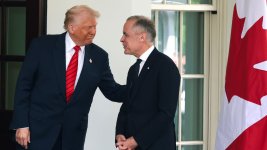
Less than two hours before massive U.S. tariffs on certainCanadiangoods were set to switch on, PresidentDonald Trumpannounced atentative dealto stave off the new duties.
The postponement could be just a brief respite for businesses who warn that the planned 50% tariffs on imports of wine, hockey sticks and a range of other Canadian products arealready taking a toll.
The new import taxes on about $20 billion worth of goods wereunveiled last monthin response to what the Trump administration described as Canadian trade discrimination against key U.S. industries.
The tariffs were set to take effect Wednesday at 12:01 a.m. ET. But at 10:15 p.m. Tuesday, Trump announced onTruth Socialthat he would pause the tariffs for three days, "based on the fact that Canada and the U.S.A., subject to the finalization of documents, have a DEAL!"
Trump's statement on the to-be-finalized deal included few details. But it hinted that an agreement with Canada could include restarting Keystone XL, the planned oil pipeline from Alberta to Nebraska that wasscrapped in 2021by then-PresidentJoe Biden.
"The great Keystone XL Pipeline, long ago killed by Sleepy Joe Biden, may be awoken from the grave!" Trump wrote in the post.
In afollow-up post, Trump shared an AI-generated image depicting him pulling a pipeline labeled "KEYSTONE" out of the ground.
Canadian Prime Minister Mark Carney,in a statementreleased Tuesday night, was more circumspect.
"Substantial progress has been made, although there is important work still to be done," Carney's statement said.
Inanother postmidday Wednesday, Carney said the two sides are "moving towards an agreement that reinforces that Canadian advantage, including by securing the best terms in each of Canada's most important strategic sectors and providing greater certainty about our future trading relationship."
Asked Wednesday morning about the coming deal, Trump claimed that Canada made multiple concessions, including lowering itsretaliatory tariffson U.S. goods.
"We've come to a deal with Canada" after a "very good conversation" with Carney, Trump told reporters while touring construction projects on the White House grounds.
"They called yesterday and they gave us the points that we had to have," Trump said, calling it a "very fair deal for both."
Trump did not mention Keystone XL. But he said Canadian tariffs "will be non-existent for our farmers," without specifying which duties he was referring to. Trump's 50% tariff proposal was partly based on Canada's alleged discrimination against the U.S. dairy industry.
Asked if the U.S. would lower its tariffs on Canadian autos as part of the deal — a topgoalfor Ottawa's trade negotiators — Trump said, "We're doing certain things."
"We've got to give something," he added. "They were paying a high number, we're reducing it a little bit, it's good for everybody."
"Basically, we have no tariffs going into Canada anymore. Canada was charging us tremendous tariffs. We no longer have any tariffs," he said.
The president noted, however, that the deal is "subject to the finalization of documents."
The comments came after apresidential proclamationreleased Tuesday night signaled that Canada would lower or remove its trade barriers on the U.S. as part of an agreement.
Read more CNBC politics and policy coverage
"According to senior executive branch officials, Canada has expressed a commitment to remove the discriminations or unreasonable and unequal impositions" that spurred the 50% tariff threat, according to the proclamation.
The same evening, U.S. Trade Representative Jamieson Greerwrote in an X postthat the deal "will include comprehensive market access for all American goods, economic security commitments, digital trade alignment, and many important provisions that will continue to protect our market and American workers, along with our Canadian partners."
After Greer met again with Canada-U.S. Trade Minister Dominic LeBlanc in Washington on Wednesday morning, he said the Trump administration feels "confident that we've reached an agreement" to protect American workers and "strengthen the North American economy."
"We certainly, I think, have eliminated some of the irritants that we've had in the past year," Greer said.
—CNBC'sAshlee Trujillocontributed to this report.


