Shifting Monetary Dynamics Across Global Markets
The global foreign exchange landscape is experiencing a profound transformation as major central banks recalibrate their policy stances to combat persistent currency volatility and imported inflationary pressures. From Tokyo to Mumbai, monetary authorities are increasingly recognizing that physical and verbal market interventions alone can only buy temporary relief. Instead, structural rate paths and quantitative tightening are taking center stage as the primary levers for currency stabilization. As policymakers signal readiness to step beyond traditional defense lines, trading desks worldwide are forced to re-evaluate multi-meeting tightening cycles, altering macroeconomic forecasts and currency valuations across key emerging and developed markets.
The Bank of Japan Pivot and Multi-Meeting Tightening Expectations
In Japan, recent commentary from prominent financial leadership has effectively dismantled the psychological comfort traders once derived from defended exchange rate thresholds like 160 or 162 against the US dollar. With USD/JPY drifting back toward 159.50 following previous coordinated efforts that temporarily dragged the pair to 155, market participants are confronted with the reality that intervention can materialize at any level. More importantly, market pricing has shifted dramatically regarding the Bank of Japan's interest rate trajectory.
Data indicates that probability estimates for a September rate hike have surged significantly from just twenty-four percent to seventy-six percent over a brief two-week window. Projections pointing toward a terminal rate target of 1.5% to 1.75% over the coming quarters reframe the Japanese yen narrative. Rather than treating exchange rate fluctuations as isolated intervention events, institutional desks are now positioning themselves for a sustained, multi-meeting tightening cycle by the centr
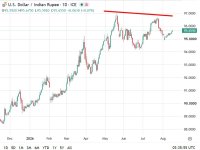
Reserve Bank of India Defends the Rupee Amid Regional Pressures
Simultaneously, emerging market central banks are doubling down on active currency management to counter external economic shocks. The Reserve Bank of India has maintained its active intervention playbook, stepping in with dollar sales as USD/INR hovers near record territory between 95.4 and 95.6. Having touched an all-time peak of 96.844 earlier in the year, the rupee continues to face headwinds from persistent foreign institutional capital outflows, elevated global oil prices driven by ongoing geopolitical tensions, and ongoing friction surrounding international trade dynamics.
Rather than attempting to reverse the broader structural trend, the central bank's strategy focuses on smoothing out rapid depreciation and curbing excessive one-way momentum. This calculated approach demonstrates that monetary authorities possess both the capacity and the willingness to manage domestic currency resilience, even as foreign exchange reserves experience selective drawdowns.
Broader Implications for Global Macroeconomic Strategy
The convergence of aggressive central bank communication and active currency defense highlights a broader macroeconomic reality for international investors. Traditional reliance on isolated currency interventions has given way to coordinated monetary policy shifts and forward-looking rate adjustments. As monetary authorities in both developed and emerging economies align their domestic policy rates with broader economic stabilization goals, financial markets must adapt to a higher-volatility environment where structural rate trajectories dictate long-term capital flows.
al bank.


