Federal Reserve Policy and US Labor Market Whiplash
The greenback experienced broad-based selling pressure following a softer than expected nonfarm payrolls report that revealed negative headline payroll growth and an underperformance in average hourly earnings. This weaker data print immediately triggered a sharp dovish repricing in interest rate expectations across the board. The probability of an upcoming rate reduction experienced substantial fluctuations as markets digested the details, which showed a notable loss of government jobs distorting the headline figure while the broader unemployment rate ticked down. Traders are now intensely focused on incoming consumer price inflation figures and upcoming central bank symposiums to determine the next policy pivot. A hotter than anticipated inflation print will likely revitalize tightening bets and drive a strong recovery in the US dollar, whereas softer figures would validate a more accommodative policy stance moving forward.
Yen Intervention Limits and Persistent Structural Pressures
Despite coordinated efforts and heavy official intervention by monetary authorities to support the Japanese currency, the exchange rate has steadily drifted back upward toward crucial psychological thresholds. Market participants remain highly skeptical that joint market signaling alone can reverse the broader structural weakness plaguing the yen. The fundamental outlook for the currency continues to look grim against the backdrop of ongoing geopolitical tensions in the Middle East and persistently wide yield differentials. While official market operations serve as a short-term deterrent against excessive speculative momentum, traders continue to look for opportunities to sell rallies due to the widening divergence between domestic policy normalisation and overseas monetary st
Emerging Market Resilience and Central Bank Neutrality
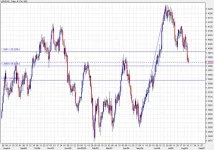
In emerging Asian markets, the bullish momentum of the local currency has moderated as anticipated trade deals faced delays, though the absence of direct regional escalations has helped maintain baseline stability. Monetary authorities have opted to leave benchmark repo rates unchanged while emphasizing a strictly data-dependent and neutral stance without explicit hawkish guidance. Despite this neutral posture, the structural trend for the pair against the greenback remains skewed to the upside, encouraging dip-buyers to defend key technical support zones. Technical traders continue to monitor defined risk boundaries, anticipating range-bound consolidation ahead of high-impact domestic and international inflation reports.
North American Trade Deadlines and Loonie Outlook
Bilateral negotiations between Canadian and American trade representatives are reaching a critical juncture ahead of an impending tariff deadline that threatens major regional imports. Negotiators are working intensively to present a viable trade framework to leadership in order to avoid crippling levies on key industrial sectors such as steel, aluminum, lumber, and automotive manufacturing. A successful resolution providing long-term certainty regarding cross-border trade agreements would act as a powerful tailwind for the domestic currency. Meanwhile, technical retracement levels in the foreign exchange pair suggest that market participants are cautiously pricing in positive diplomatic outcomes while remaining wary of sudden policy shifts from Washington.
ances.


